AT A GLANCE
- Define the concern before comparing film and coating packages.
- Vehicle history and a panel list reveal more than a package name.
- Combined treatments require compatible products and a clear maintenance plan.
- Compare products, preparation, coverage and handover information on the same basis.
What is the main difference between PPF and ceramic coating?
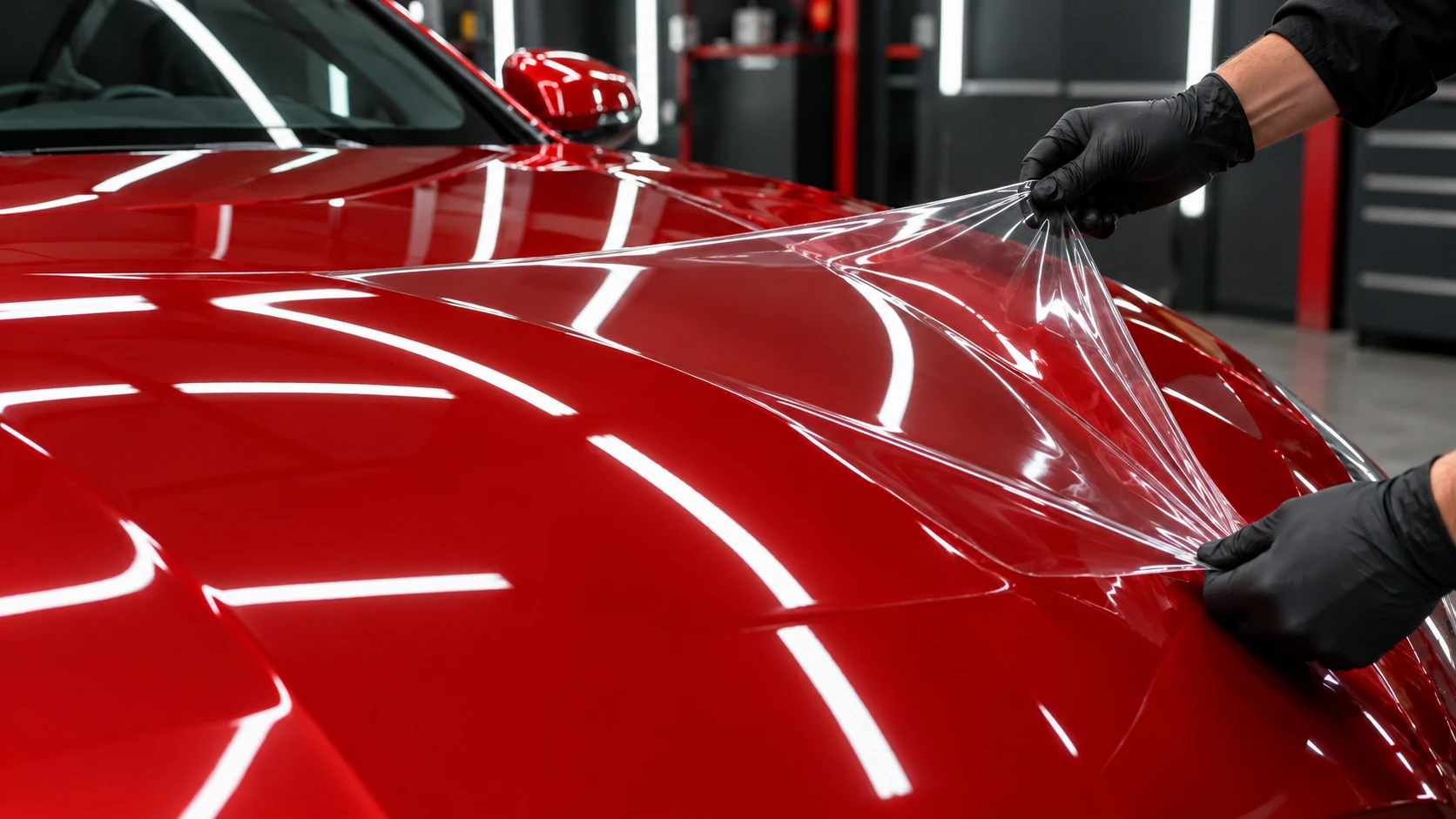
Paint protection film, or PPF, is installed over a painted panel. A suitable film is considered for a physical layer between the paint and external effects such as small road-stone impacts and minor surface abrasion. Ceramic coating is a different system applied to the surface, assessed for appearance, water behaviour and cleaning convenience. Similar gloss does not mean the two applications provide the same kind of protection. The essential difference is how they work on the vehicle, which is why they should be compared against the problem you actually want to address.
Start by describing the concern rather than comparing product names. Are you mainly worried about stone marks on the front bumper, dirt that is difficult to remove, or existing wash swirls? Those questions may lead to different conversations. Establishing a priority separates cleaning, correction and protection. It also gives the centre an opportunity to explain which part of a proposed plan addresses the issue and which expectations need to be reconsidered before work begins.
Explore PPF protection · Explore ceramic coating
| Consideration | PPF | Ceramic coating |
|---|---|---|
| Structure | Protective film over paint | A treatment applied to the surface |
| Primary purpose | A physical protective layer on selected panels | Surface behaviour, appearance and easier cleaning |
| Combined use | Depends on product compatibility and planning | Film compatibility must be checked |
| Maintenance | Follow the film’s instructions | Follow the coating product’s instructions |
Separate stone impacts, scratches and contamination
Small road-stone impacts, dirt adhering to a surface and light marks from washing are different effects. PPF is considered where a physical film layer is needed; ceramic coating does not replace that layer as a barrier against stone impacts. The surface behaviour expected from a coating also depends on the particular product and its care. Neither option makes a vehicle immune to every impact, dent or scratch. Show deeper damage to the team rather than treating it as equivalent to a light surface mark when discussing possible work and future protection.
Consider a hypothetical owner whose front bumper has stone marks and whose doors show older wash swirls. The owner might describe the goal simply as wanting a shinier car. However, assessing existing marks and planning for future use are separate decisions. Recording the starting condition before choosing protection makes the proposed sequence easier to understand. It also helps you distinguish the effect of any agreed preparation from the purpose of the protection applied afterwards.
How do driving and parking habits influence the choice?
Annual mileage alone does not describe how you use a vehicle. The roads you travel, whether you park indoors or outdoors, and the balance between urban and intercity driving provide useful context. Think about the past few weeks before an assessment. Which panels do you clean most often? Where have you noticed new marks? Who normally washes the car? These observations make the appointment more specific than simply asking for whichever package is considered the best.
As a hypothetical example, a driver who uses covered parking during the week and travels long distances at weekends may have different priorities from someone making short local journeys. Owners of the same model do not necessarily need identical coverage. Mention planned changes such as frequent business trips, a move or a driving holiday. A useful proposal should make sense for the conditions you expect as well as the way you used the vehicle previously.
Should PPF cover the whole vehicle or selected panels?
Ask the centre to explain coverage using a panel list or a diagram. Front bumpers, bonnets, wings and mirror caps can be discussed, but a package name does not confirm that each is included. Establish whether a complete panel or only part of it is proposed. Mention other areas you care about, such as a loading area or door sills, during the initial conversation. This prevents a difference in assumptions from becoming apparent only when you collect the car.
When considering partial and full coverage, write down priorities rather than looking only at today's budget. If you may want additional panels later, ask how that decision would be planned. There is no single coverage arrangement that suits every owner. What matters is that the quotation describes the areas you expect. Understanding the excluded surfaces is equally useful: it lets you make a deliberate choice instead of assuming the package includes something that has never been agreed.
Why does a new car still need a surface assessment?
A new registration does not automatically mean the surface is ready for the chosen treatment. Preparation depends on the condition found on the vehicle. Inspect it with the team in suitable light and point out marks, touch-ups or previous work that concern you. For a used vehicle, explain the paint and coating history you know. If you are uncertain about a panel, ask for an assessment rather than describing an assumption as confirmed history.
It is useful to have cleaning, any proposed correction and protection explained as separate stages. Ask which preparation is included and which additional work would need your approval. Do not assume every car needs the same correction process. The aim is to connect the starting condition, the proposed service and a realistic appearance expectation. A short condition record provides a common reference and makes it easier to revisit a particular concern without relying on memory alone.
Can PPF and ceramic coating be used together?
Compatible films and coating systems may be considered together. However, not every ceramic product should be assumed suitable for every film. The proposed products, application sequence and aftercare requirements need to make sense as one plan. Explain whether you want a gloss or matte appearance early in the conversation. A combination suitable for one finish should not be treated as a universal template for a different material or for an unspecified product on another vehicle.
Ask which treatment applies to each area in a combined quotation. If film is proposed for the bonnet and bumper while coating is considered for other suitable painted panels, request that distinction in the scope. Any additional treatment over the film should also be identified. You can then understand where each service will be used and what purpose it serves, rather than seeing two product names under a single heading and assuming the rest of the details.
How can you compare quotations fairly?
Before comparing totals, check whether product identification, panel coverage, preparation and handover arrangements are described with similar precision. Broad language such as complete protection does not tell you enough about the proposed service. Prepare your questions and request a brief written scope after the discussion. This gives you a basis for understanding why quotations differ and helps you compare the work actually proposed instead of filling in missing details with your own expectations.
If a warranty is offered, ask who provides it, what it covers and which maintenance conditions apply. Do not assume every product or provider uses the same terms. A vehicle-specific quotation is more meaningful than a universal price in a guide. Vehicle size, chosen areas and preparation can differ. Looking only at the total may obscure those differences and make two proposals appear equivalent even when they describe substantially different amounts of work or different responsibilities after collection.
Describe the appearance you want and the checks you expect
A photograph can help illustrate a preference, but lighting and the condition of the photographed car may differ from your own vehicle. Describe the desired result in words as well: retaining the current appearance, improving the consistency of the finish through agreed preparation, or making routine cleaning easier. Raise any preference between matte and gloss early. A clear explanation gives the centre a better basis for discussing products and coverage than a photograph presented without context.
Ask how the agreed work will be reviewed at collection. Check the selected panels, discuss the condition noted beforehand and collect the relevant care guidance. If an aspect is unclear, ask the team to explain it. Photographs can provide a helpful record, but two pictures taken in very different light should not be your only reference. The scope and expectations agreed before the appointment offer a more useful basis for a shared review of the service.
Make maintenance part of the original decision
Choosing protection involves the period after application as well as the appointment itself. Explain how often you have the vehicle cleaned and which washing service you normally use. If you plan to maintain it yourself, discuss the products you already have. The person washing the vehicle may also need the film or coating instructions. Addressing the practical routine early helps avoid selecting an appropriate treatment and then continuing with a care method that has never been checked for compatibility.
Consider the time you can realistically devote to that routine. A complicated plan that you cannot follow is less useful than clear instructions and checks you understand. Keep the product names, application date and maintenance notes together. Review the arrangement with your centre if your driving or parking changes. A routine chosen years earlier does not need to remain fixed when your needs change; recording what has been applied makes that later conversation much easier and more precise.
A practical route from research to a clear decision
Write your main expectation in one sentence, then list your driving conditions and the areas you are concerned about. Read the PPF and ceramic coating service pages with those priorities in mind. Arrange an assessment with a CarWAX centre and discuss coverage, preparation, product selection and aftercare. You do not need to memorise every technical term. You do need to understand which part of the proposal addresses your concern and what the centre expects you to do after collection.
Finish by checking that the plan is internally consistent. Are your priority areas included? Has the desired appearance been discussed? Are collection and care instructions clear? Resolve any open points before application. The choice between PPF and ceramic coating then becomes a defined decision for your own vehicle, use and available maintenance time. It is a stronger starting point than choosing a name first and discovering the scope, requirements and limitations only after committing to the service.